TMJ Treatment – Fort Worth, TX
Eliminating the Pain to Improve Quality of Life
Patients who struggle with chronic jaw pain, frequent headaches, and stiff neck and shoulders often complain of the toll it takes on their daily routine. Eating can become tiresome and uncomfortable, while headaches and aching joints and muscles can make doing anything seem unbearable. At Distinguished Dental, we want to help reverse these problems with the help of TMJ treatment in Fort Worth. By targeting inflammation in the jaw joints, we can work to improve your quality of life. Call us today to schedule an appointment with Dr. McIntosh.
Why Choose Distinguished Dental for TMJ Treatment?
- Effective Solutions with Proven Results
- Practice with Over 300 5-Star Reviews
- Dentist with Years of Trusted Experience
Symptoms of TMJ Disorder

Temporomandibular joint (TMJ) disorder is diagnosed by a skilled dentist, but the symptoms can arise long before a thorough examination occurs. Some of the most common signs associated with TMJ disorder include:
- Stiff jaw muscles
- Frequent headaches
- Minimal jaw movement
- Difficulty opening and closing your mouth
- Pain while chewing
- Clicking or popping of the jaw
- Locking of the jaw
- Increased pain throughout the jaw, neck, shoulders, and head
- Bite misalignment
- Earaches
Equilibration/ Occlusal Adjustments
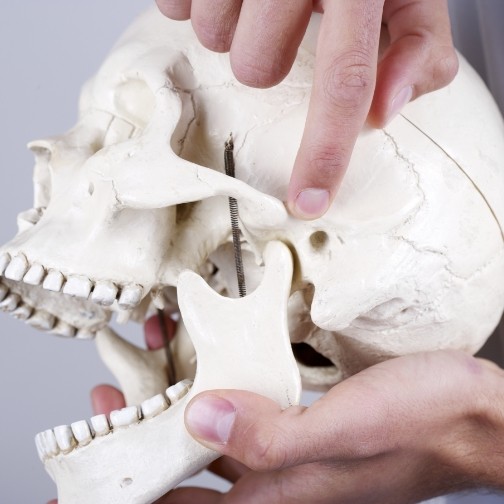
To treat TMJ disorder, one of the most effective forms of treatment is equilibration or an occlusal adjustment. This process requires that we reshape your teeth to allow for better bite alignment. Doing so will allow your teeth to come together correctly, minimizing any stress on your jaw joints or other areas of your mouth.
Occlusal Splints
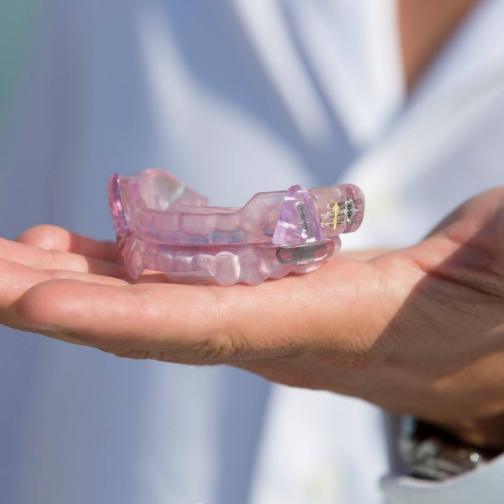
Another solution is to create a customized occlusal splint. Most commonly worn at night while asleep, these oral devices can also be worn throughout the day and help to realign your jaw and minimize the potential for teeth grinding (bruxism). By helping to stabilize your jaw muscles, it works to relieve pain and discomfort as well as allow for more fluid movement of your jaw.
BOTOX® for TMJ Treatment
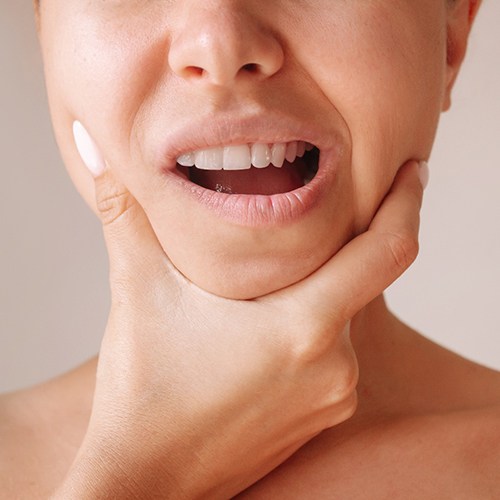
BOTOX® is mostly known for its cosmetic benefits, as it’s one of the best ways of addressing fine lines and facial wrinkles. However, did you know that it also has some incredible medical applications, including helping to ease TMJ symptoms? Better yet, this treatment method is also very quick and easy to administer, meaning that you won’t have to wait long at all to find relief from chronic pain and discomfort! Here’s a little more about how it works and who might be a good candidate.
What Is BOTOX®?

BOTOX® is a purified, FDA-approved protein that is derived from botulinum toxin, which can be safely used in a variety of both medical and dental treatments. When strategically injected into overactive jaw muscles, BOTOX® helps relax tension, reduce clenching and grinding, and alleviate pain, headaches, and jaw soreness. The treatment is quick, minimally invasive, and requires little to no downtime, either. It can also be redone in the future if the need arises. By calming strained muscles, BOTOX® can greatly improve comfort, restore jaw function, and help protect teeth from damage caused by chronic grinding.
Who Is a Good Candidate for BOTOX® for TMJ Treatment?

When you come in for a consultation with Dr. McIntosh, she’ll evaluate you for TMJ disorder and discuss your symptoms before determining if BOTOX® is the right form of treatment for you. If you’re dealing with any of these conditions as a consequence of your TMJ disorder, you might greatly benefit from BOTOX®:
- Difficulty or pain while chewing
- Pain and tenderness in the jaw
- Limited mouth movement
- Clicking or popping sounds when opening or closing the mouth
- Lockjaw
- Earaches or ringing in the ears (tinnitus)
- Pain behind the eyes
- Neck pain
How Can BOTOX® Treat TMJ Disorder?

It’s worth noting that while BOTOX® in Fort Worth can be useful for effectively managing the symptoms of TMJ disorder, it does not serve as a permanent cure and is often most effective when combined with other treatment methods. That said, since many of the uncomfortable symptoms of TMJ disorder are a consequence of muscle tension, it usually provides substantial and noticeable relief. In turn, this can provide patients with greater comfort, better sleep, and even improved oral health since the teeth shouldn’t sustain as much wear.