
Tooth Extractions – Fort Worth, TX
The Last Resort to Improve Your Oral Health
At Distinguished Dental, a tooth extraction in Fort Worth is rarely the first option we recommend for resolving a dental emergency. There are times, however, when it may be the best – and only – option available to protect a patient’s smile. You can count on our team to determine whether the procedure is truly necessary in your case and to make sure that it’s carried out as comfortably as possible. Call us if you believe a tooth extraction is needed to protect the health of your smile.
Why Choose Distinguished Dental for Tooth Extractions?
- Same-Day Emergency Appointments Offered
- Highly Relaxing Sedation Options
- Dentist with Many Years of Experience
Reasons Why Tooth Extractions Are Necessary

It’s always preferable to save your natural teeth whenever possible. As such, we will only suggest having a tooth removed if other treatment options have already been ruled out. Below is a closer look at some of the reasons why our team may determine that a tooth extraction is necessary in your case.
Wisdom Teeth Problems
Dev – Please keep the video for this section. Thanks!
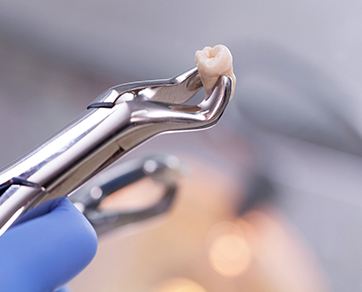
While many patients will never need to have a tooth extracted, there is an exception. Between the ages of 15 and 25, your wisdom teeth will begin to emerge through the gumline. Our modern jaws often can’t accommodate these teeth, and if they’re allowed to come in, they can cause crowding or become impacted, thereby causing painful symptoms and making you vulnerable to other dental problems in the future. It’s often best to have wisdom teeth removed before they can lead to serious issues.
Orthodontics Reasons
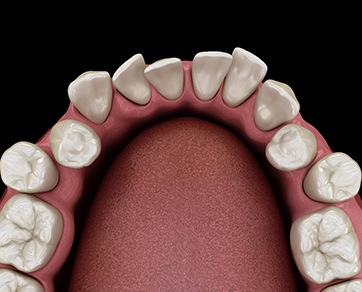
A patient who is preparing for treatment with braces may need to have one or more teeth extracted to create room for teeth to move into their new positions. Overcrowding can make it difficult to create a properly aligned smile, but a tooth extraction will create space for teeth to become properly aligned with SureSmile or Invisalign.
Damage & Decay
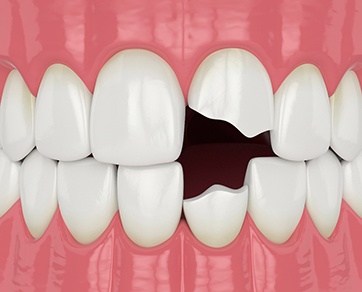
If you have a damaged or decayed tooth, we will often be able to repair it with a dental crown or some other form of restorative dentistry. However, if the damage is severe enough, the tooth may no longer be capable of supporting a restoration, in which case we may have no choice but to extract it.
Infection
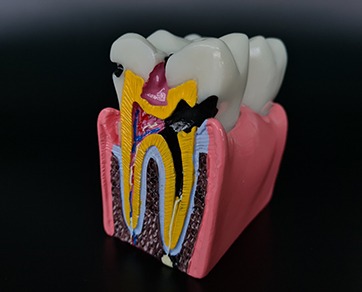
An infected tooth can sometimes be saved via a root canal treatment. But if a root canal is no longer an option and the infection is threatening to spread to other parts of your mouth, a tooth extraction may be required to protect your oral health.
The Process of Removing a Tooth
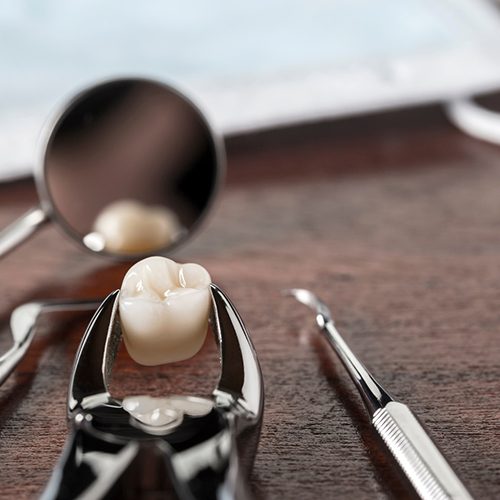
There are two main types of tooth extractions: simple extractions and surgical extractions. The kind of extraction performed in your case will depend on the state of your tooth.
During a simple extraction, a pair of forceps will be used to rock the tooth back and forth. This will slowly loosen the tooth until it can be taken out of its socket.
In cases where a surgical extraction is needed, an opening will be created in your gums to grant better access to the tooth. Oftentimes, the tooth will be divided into sections that are taken out separately; this reduces the amount of bone that is removed during the extraction process.
Regardless of the type of extraction performed, a local anesthetic will be used to numb your mouth in order to keep you as comfortable as possible while you’re in the dental chair.
Tooth Extraction Aftercare

Following your tooth extraction, there are certain aftercare instructions you will need to follow to ensure that there aren’t any problems during your recovery. Here are just a few of the basic tips you’ll need to keep in mind:
- Manage your discomfort by taking over-the-counter or prescribed pain medication.
- Avoid engaging in any sort of strenuous physical activity for at least a few days after the procedure.
- Limit your diet to soft foods like pasta, scrambled eggs, and mashed potatoes.
- Do not drink anything through a straw; doing so can dislodge the blood clot protecting the extraction site while it’s healing.